
Ensuring Supply Chain Integrity Through Real-Time Tracking and Transparency
- Dec 23, 2025
- 3 min read
Supply chains today face increasing pressure to deliver products safely, efficiently, and transparently. Customers and regulators demand clear proof that goods have been handled correctly from the point of manufacture to their final destination. One key way to meet these demands is through logistics infrastructure that supports real-time temperature and location tracking. This technology ensures product traceability and stability, providing full transparency throughout the supply chain.

Why Supply Chain Integrity Matters
Supply chain integrity means maintaining the quality, safety, and authenticity of products as they move through various stages. This is especially critical for perishable goods, pharmaceuticals, and sensitive electronics. Any deviation in handling conditions can lead to spoilage, safety risks, or counterfeit products entering the market.
For example, vaccines require strict temperature control during transport. If the cold chain breaks, the vaccines may lose effectiveness, putting public health at risk. Similarly, food products exposed to improper temperatures can spoil, causing waste and potential health hazards.
Maintaining supply chain integrity builds trust with customers and partners. It also helps companies comply with regulations and avoid costly recalls or legal issues.
How Real-Time Tracking Supports Integrity
Real-time tracking technology uses sensors and GPS devices to monitor products continuously. This approach offers several advantages:
Temperature Monitoring
Sensors track temperature inside shipping containers or trucks. Alerts notify managers immediately if temperatures go outside safe ranges.
Location Tracking
GPS devices provide live location data, helping companies know exactly where shipments are at any time.
Data Logging
All tracking data is recorded and stored, creating a detailed history for audits or investigations.
Proactive Issue Resolution
Early warnings allow teams to take corrective actions before damage occurs, such as rerouting shipments or adjusting storage conditions.
These features ensure products remain stable and traceable throughout transit, reducing risks and improving accountability.
Practical Examples of Supply Chain Transparency
Several industries have adopted real-time tracking to enhance transparency and integrity:
Pharmaceuticals
Companies use temperature-controlled packaging with sensors that transmit data to cloud platforms. This allows pharmacists and regulators to verify that medicines stayed within required temperature ranges during shipment.
Food and Beverage
Fresh produce suppliers track shipments from farms to stores, ensuring cold chain compliance. Retailers can access this data to confirm freshness and safety.
Electronics
High-value electronics shipments include tamper-evident seals and GPS trackers. If a package deviates from its route or is opened prematurely, alerts are triggered.
These examples show how transparency benefits all parties by providing clear, verifiable information about product handling.
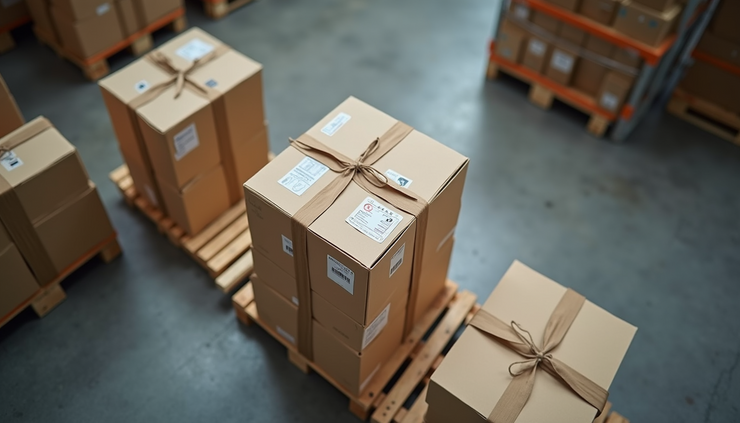
Building a Transparent Supply Chain Infrastructure
To implement effective real-time tracking, companies should consider these steps:
Invest in Reliable Sensors and GPS Devices
Choose equipment that provides accurate, continuous data and can withstand transport conditions.
Integrate Tracking with Supply Chain Management Systems
Connect tracking data to existing software for seamless monitoring and reporting.
Train Staff to Respond to Alerts
Ensure teams know how to act quickly when tracking systems indicate a problem.
Collaborate with Partners
Share tracking information with suppliers, carriers, and customers to build trust and improve coordination.
Regularly Review and Audit Data
Use historical tracking data to identify patterns, improve processes, and demonstrate compliance.
By building this infrastructure, companies create a supply chain that is not only efficient but also transparent and trustworthy.
The Benefits of Full Transparency
Transparency from manufacturer to destination offers clear advantages:
Improved Customer Confidence
Buyers can verify product quality and handling, increasing satisfaction and loyalty.
Reduced Risk of Loss and Damage
Early detection of issues prevents spoilage and theft.
Regulatory Compliance
Detailed records support audits and meet legal requirements.
Operational Efficiency
Real-time data helps optimize routes and storage conditions.
Competitive Advantage
Companies that provide transparency differentiate themselves in the market.
These benefits demonstrate why investing in companies that offer real-time tracking and transparency is a smart business decision.


Comments